How to Prepare Physically for Gorilla Trekking
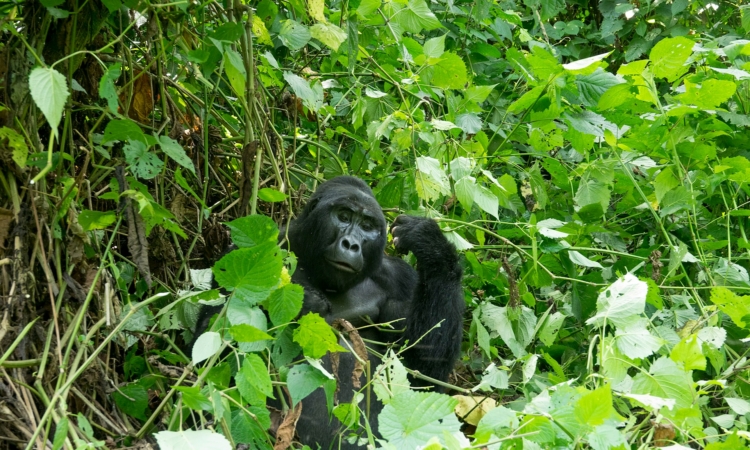
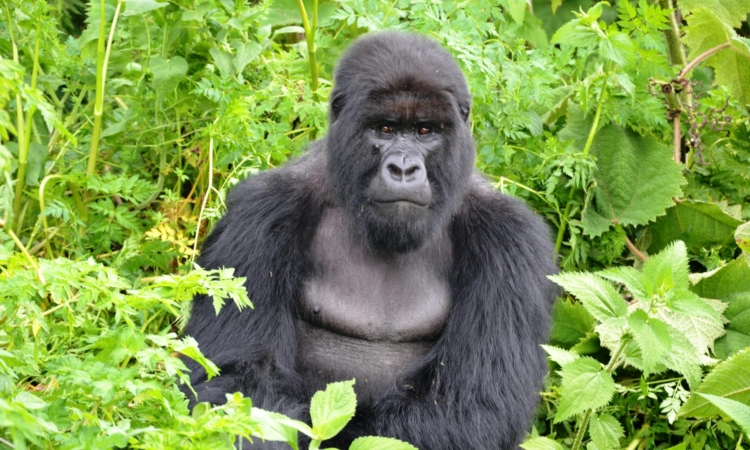
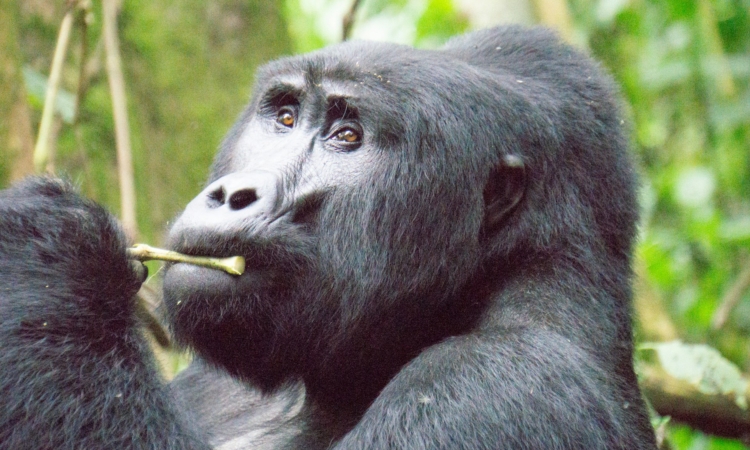
How to prepare physically for a trek. Mountain gorilla trekking is a very engaging activity, but it can also be physically demanding. The trek involves walking on steep slopes and uneven ground in places like Bwindi Impenetrable National Park, which requires a reasonable level of fitness. If your body is not well prepared, the experience can be difficult and you may not enjoy it fully.
Check Your Fitness Level
Before you begin training, it is important to check your current physical condition. You can start by measuring your body weight and doing simple flexibility tests. If you have any concerns, it is best to consult a health worker or a personal trainer to help you decide if you are ready for this physical activity.
After assessing your fitness level, you should begin preparing for the trek in the following ways.
Training for Gorilla Trekking
Regular training helps build stamina and strength. Activities such as walking, running, swimming, and cycling are very helpful. It is also important to include strength exercises like squats, lunges, and weight bearing exercises.
Stretching activities such as yoga can help improve flexibility and reduce the risk of injury. Try to train several times each week and slowly increase the level of effort.
Nutrition and Hydration
Before the trek, eat a balanced diet that includes carbohydrates, protein, and healthy fats. Foods such as eggs, fish, rice, and fruits are good options. Avoid heavy meals that may slow you down or make you uncomfortable during physical activity.
Drinking enough water is also important. Proper hydration helps maintain energy levels. About two liters of water per day is usually enough during training and before the trek.
Practice Carrying a Backpack
During the trek, you will carry items such as water, snacks, and personal belongings. This backpack can weigh between five and ten kilograms. If you are not used to carrying weight, it can cause back or shoulder discomfort.
Practice walking with a light backpack and slowly increase the weight as you get stronger.
Get Enough Rest
Rest is very important before the trekking day. Getting enough sleep helps your body recover and store energy. Without proper rest, you may feel tired very quickly. Aim for seven to eight hours of sleep the night before the trek.
Good physical preparation makes the trek easier and more enjoyable. With the right training, nutrition, practice, and rest, you give yourself the best chance to enjoy the experience.